Why Better Sleep Often Starts with Smarter Home Renovations
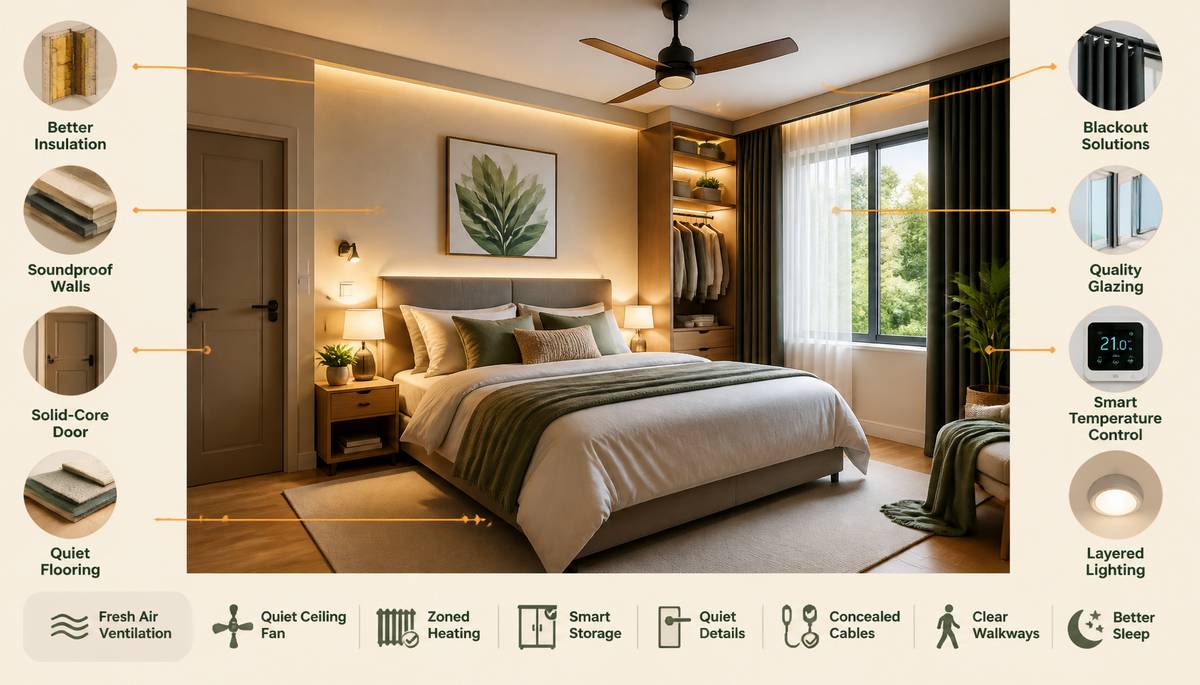 A bedroom should not behave like a badly managed airport terminal, yet many do. Light leaks in from every edge, noise arrives uninvited, the temperature performs interpretive dance, and the layout somehow makes reaching the wardrobe feel like a minor expedition.
Better sleep often starts long before the pillow. It begins with the structure of the room itself: how it holds warmth, blocks sound, controls light, and supports calm movement. A smart renovation can turn a bedroom from “place where you collapse” into a room that genuinely helps the body slow down.
Insulation Is the Quiet Hero
Insulation is usually discussed in terms of energy bills, but it also plays a major role in sleep quality. A poorly insulated bedroom can become too cold in winter, too warm in summer, and strangely dramatic during windy weather. Nobody needs a wall cavity providing sound effects at 2am.
Upgrading wall, roof, or floor insulation helps create a steadier indoor temperature. That matters because the body sleeps best when it is not constantly adjusting to sudden changes. A room that stays comfortable through the night reduces the need for extra blankets, open windows, emergency socks, or that doomed negotiation with the duvet.
Soundproofing Keeps the World Outside
Noise is one of the most common enemies of consistent sleep. Traffic, neighbours, plumbing, hallway footsteps, and doors closing elsewhere in the house can all interrupt rest, even when they do not fully wake someone up.
During renovation, soundproofing can be built into the room rather than added awkwardly later. Acoustic plasterboard, sealed gaps, solid-core doors, soft flooring, and improved glazing can all reduce unwanted noise. The goal is not total silence, which can feel a bit like sleeping inside a sealed museum display case. The goal is a softer acoustic environment where the occasional outside sound does not barge in wearing tap shoes.
Blackout Solutions Need Proper Planning
Blackout curtains are useful, but they work best when the whole window area is considered. Light often sneaks in around curtain edges, above tracks, or through poorly fitted blinds with the determination of a cat finding a cardboard box.
A renovation gives homeowners the chance to recess curtain tracks, fit made-to-measure blinds, or combine shutters with curtains for stronger light control. This is especially helpful in bedrooms facing streetlights, early sunrise, or neighbouring homes with security lighting that could guide aircraft.Bedroom Layout Matters More Than Many People Expect
Where furniture sits can influence how restful a bedroom feels. Renovations often focus on finishes and colours, yet the physical arrangement of the room deserves just as much attention.
Keeping the bed away from noisy walls, avoiding direct alignment with bright windows where practical, and creating clear walking routes all contribute to a greater sense of calm. Built-in wardrobes can reduce visual clutter while freeing up valuable floor space. Even relocating a bedroom door during a larger renovation can improve privacy and reduce noise from busy parts of the home.
A room that feels organised asks less of the mind. Instead of stepping around furniture that appears to have entered into a long-term disagreement with the available space, movement becomes effortless, helping the bedroom feel like a place designed for rest rather than storage.
Temperature Control Should Work Around the Clock
Modern renovation projects increasingly include smarter approaches to heating and cooling. Rather than relying on one overworked radiator or a portable fan that sounds ready for take-off, homeowners can create more consistent comfort through thoughtful design.
Features worth considering include:
- Improved window glazing that reduces heat gain and heat loss.
- Zoned heating systems that allow bedrooms to have their own temperature settings.
- Ceiling fans that circulate air quietly.
- Mechanical ventilation systems that improve airflow without creating uncomfortable draughts.
- Better sealing around doors and windows to eliminate unwanted air leaks.
These improvements work together to maintain conditions that remain comfortable throughout the night instead of swinging between tropical greenhouse and forgotten castle.
Lighting Design Does More Than Help You See
Bedroom lighting often receives surprisingly little attention during renovations, despite having a significant influence on how a room feels before bedtime.
Layered lighting allows different activities to have appropriate illumination without overwhelming the space. Soft bedside lighting encourages relaxation, while brighter task lighting can be reserved for wardrobes or dressing areas. Dimmable fittings provide flexibility throughout the evening, allowing brightness to reduce naturally as bedtime approaches.
Carefully positioned lighting also prevents harsh glare when getting up during the night. Nobody enjoys being greeted by a ceiling light with the subtlety of a football stadium.
Small Details Create Big Improvements
Some of the most effective sleep-friendly renovations involve details that are easy to overlook during planning.
Simple upgrades such as quieter door handles, soft-close wardrobe fittings, better-quality flooring underlay, improved ventilation around wardrobes, and concealed cable management all help reduce minor irritations. Individually these changes may seem modest, but together they create a bedroom that feels calmer and more refined.
Successful renovations are rarely defined by a single spectacular feature. Instead, they are built upon dozens of thoughtful decisions that quietly support everyday life.
Rest Assured
The best bedrooms do far more than look attractive in photographs. They regulate temperature, soften noise, control light, and provide layouts that encourage relaxation from the moment someone walks through the door. While a comfortable mattress remains important, it performs best when supported by a room that has been designed with sleep in mind.
A smart renovation considers the entire environment rather than isolated upgrades. When insulation, soundproofing, lighting, temperature control, and layout all work together, the bedroom becomes a place where quality sleep feels less like wishful thinking and more like part of the building itself. Your alarm clock may still have unpopular opinions each morning, but at least it will be interrupting a genuinely restful night's sleep rather than rescuing you from one.
|
|