Impact of Chronic Stress on Hormonal Balance: A Deep Dive
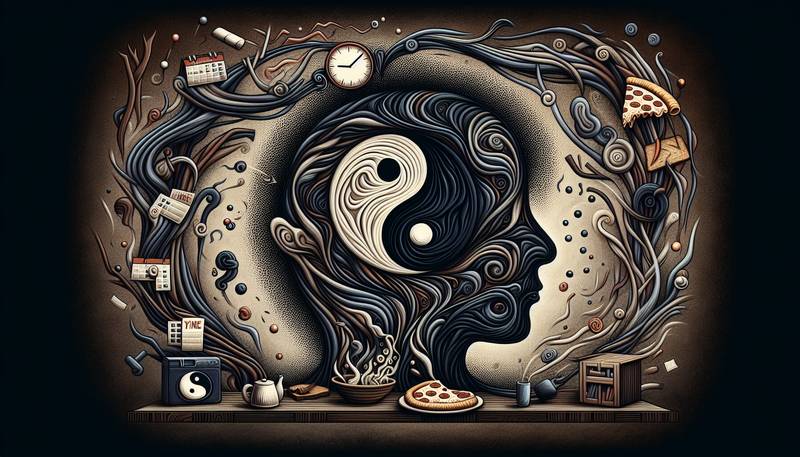
Stress: Nature’s Uninvited GuestStress often waltzes into our lives unannounced, like that one friend who always shows up at parties three hours late but still somehow manages to take the last slice of pizza. Whether it's juggling work deadlines, family responsibilities, or pondering the existential crisis about why the toaster always burns the toast, stress has become an unwelcome companion for many. You might even say it’s a professional overthinker with a PhD in anxiety.But why does stress seem to have a penchant for disarray? When it tiptoes into our lives, it unleashes a cascade of hormonal changes in an attempt to cope, leaving our bodies feeling like a blender on high speed. Cortisol—our body’s prime stress hormone—sets off alarms, summoning other hormones to join the chaos. It's like a hormonal flash mob that nobody signed up for.The Cortisol Rollercoaster During stressful moments, cortisol levels skyrocket. Imagine it as that lively friend whose energy makes you question why you’re just sitting there sipping herbal tea. Initially, this surge is helpful, priming the body for what we traditionally refer to as “fight or flight.” However, when stress turns chronic, cortisol begins to resemble an overzealous rollercoaster operator, sending your hormonal levels on wild rides. The trick here is moderation. A little cortisol injection during a presentation or while avoiding a rampaging squirrel on the street can be quite beneficial. Yet, continuous exposure transforms cortisol from a welcomed guest into a relentless party crasher, disrupting your hormones and overriding the essential functions of the body.A Double-Edged Sword High cortisol levels can lead to fatigue, interrupted sleep patterns, and sudden cravings for every sugar-laden snack you can find—like your body suddenly believes it’s prepping for a marathon, yet it’s just you and the couch. This combination can drastically impact other hormones, such as insulin, which can lead to weight gain and—surprise—more stress! It’s as if you’re caught in a hamster wheel that’s been fueled by stress-stuffed donuts.So, how exactly does chronic stress slime its way into your well-orchestrated life? At first, there’s inflammation—an overzealous knight defending your body even against the slightest intruders. Then, there’s a tussle with insulin. When the body's not responding well, we’re left with fluctuating energy levels, which is just what you need on a Monday morning. Female and Male Hormonal HavocCortisol isn't picky about its victims. It affects everyone and is particularly unkind to those already juggling hormonal fluctuations—think monthly visits from Aunt Flo or the notorious effects of midlife. - For females, chronic stress can lead to irregular menstrual cycles, hotter-than-usual flashes, and mood swings that make a rollercoaster seem straight-laced. - Males also face their share of chaos. Chronic stress can lower testosterone levels, misleading the body into thinking that it really wants to embrace its inner couch potato, shunning vitality in favor of Netflix marathons. When hormonal balance skews, so does emotional well-being. It’s like watching a sitcom unravel over multiple seasons—things get outrageous fast, and before you know it, you’re questioning all your life choices, including that haircut from two years ago.Your Action Plan: Taming the TurmoilAlleviating chronic stress may sound akin to taming wild beasts (because stress can definitely feel like that), but fear not; there are ways to handle this unruly beast. Here’s a roadmap to restoring peace among the hormonal factions:- Embrace Mindfulness: Meditation is like a warm hug for your brain. Even five minutes a day can lead to surprising adjustments in stress management.
- Get Moving: Exercise releases endorphins (they’re the happy hormones), making it a fantastic antidote to stress. Even a brisk walk could do wonders.
- Balanced Nutrition: Opt for whole foods, healthy fats, and proteins. Who knew what you feed your body could either aid or aggravate your hormonal battles?
- Quality Sleep: Do your best to snooze like a pro. Aim for 7-9 hours; even the pillows will appreciate it.
Not every solution is viable, of course. It’s about experimenting, like trying out every flavor in the ice cream aisle (the raspberry swirl can be surprisingly delightful).A Hormonal Balancing ActChronic stress is like a starring role in a drama no one asked for. By acknowledging stress's ability to meddle in our hormonal business and by taking steps toward balance, the chaos can lessen, making room for harmony. Remember, the journey to stabilization may have its ups and downs—just like a rollercoaster, minus the screaming and clenching fists. Embracing the process can lead to a happier, healthier, and ultimately stress-easier existence.
|
|