Everything You Need to Know About Surgery for an Inguinal Hernia: Kinds, Risks, and Moresubmitted on 20 January 2026
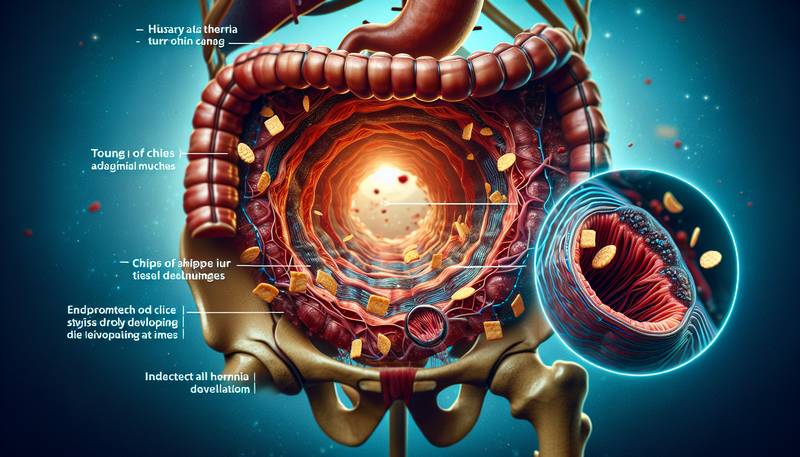
What’s an Inguinal Hernia, Anyway?Imagine you’re a bag of chips. Now, what if a few of your chips decided to take a vacation outside the bag? That’s pretty much what an inguinal hernia looks like. It occurs when tissue, often fat or a portion of the intestine, bulges through a weak spot in the abdominal muscles. This usually happens in the groin area and can be as uncomfortable as a surprise wedgie during a serious meeting.Inguinal hernias come in two flavors: direct and indirect. Direct hernias occur when muscle weakness develops over time, usually due to factors like aging or excessive strain—kind of like your favorite old chair that finally gives up after years of supporting your couch-sitting habits. Indirect hernias, on the other hand, are more common in men and occur when tissue pushes through a weakness present from birth. Symptoms You Can’t IgnoreThe universe has a funny way of letting you know something’s not right. With inguinal hernias, it’s not just your everyday malaise; they come with a specialized set of symptoms, and you don’t need to call Sherlock Holmes to figure them out. Typical signs include:- A noticeable bulge in the groin area.
- Pain or discomfort, especially when bending over or lifting something heavy (like that 20-pound bag of dog food you thought would be a great idea).
- A feeling of heaviness in the groin.
- Possible swelling around the area.
- In severe cases, symptoms can escalate to nausea and vomiting—like your body is auditioning for a horror film.
If any of these symptoms sound like your spirit animal, you might want to pay your doctor a visit. After all, nobody wants to play hide-and-seek with a bulging hernia.Why Surgery? Isn’t Rest Enough?Some might think that rest and a dose of positive thinking can cure anything, but inguinal hernias are not on that list. While some small hernias may seem to take a vacation without causing much trouble, surgery is often necessary to prevent complications down the line. Without surgery, these hernias can grow larger, and in some cases, they can incarcerate or strangulate the intestine. This is a serious situation that requires immediate medical intervention—definitely not what you want to explain to your friends at dinner.Types of Surgical ApproachesWhen it comes to surgery for an inguinal hernia, think of it like choosing a pizza topping. You’ve got options! - Open Surgery: This is the traditional method where a larger incision is made in the groin. It’s like ordering a large pizza when you’re really hungry; it gets the job done but is a bit more involved.
- Laparoscopic Surgery: A minimally invasive approach using several small incisions and a camera. Think of this as your trendy, artisanal pizza. Less invasive but still satisfying!
Both options have their pros and cons, and which one is best for you will depend on factors like the size of the hernia, your health, and your surgeon’s comfort level. Risks and ConsiderationsLike any good adventure, surgery comes with its own set of risks. While most cases proceed without a hitch, you should be aware of potential complications:- Infection at the site of surgery—your body’s way of saying it’s not on board with your life choices.
- Recurrence of the hernia—like that one song you love but can’t escape from the radio.
- Damage to nearby structures, such as blood vessels or nerves—turns out, your body isn’t just a simple house of cards.
Understanding these risks is essential, so you can make an informed decision and avoid any surprises that might make you wish you had stayed in bed.Post-Surgery Life: What to ExpectAfter surgery, life may feel like you’re in a bit of a daze—like waking up from a nap and not knowing if it’s morning or night. Expect some discomfort, but pain management should help you navigate those early days of recovery. You’ll also want to avoid heavy lifting, running marathons (unless they’re metaphorical), and any activity that makes you question your own sanity. Don’t Hernia Your HopesUnderstanding inguinal hernias and their surgical solutions can feel like a lot to digest, but staying informed is vital. This condition, while pesky, is manageable with the right medical interventions and a sprinkle of optimism. Embrace your journey and remember: it’s never too late to reach out for help. After all, life is far too short to be sidelined by something as unexpected as a rebellious bag of chips!
|